【Relics Become Icons】Northern Wei Tomb-guarding Warrior Figurine
今年3月,随着春节假期结束的返工潮,山西一款以镇墓武士俑为原型的文创“打工俑”在网上悄然走红。当古老的墓葬守护者,化身为当代职场年轻人的“嘴替”,一场跨越千年的文化共鸣就此展开。
This March, as people returned to work after the Spring Festival holiday, a cultural creative product from Shanxi—a “Working Figurine” inspired by a tomb-guarding warrior—quietly went viral online. When an ancient tomb guardian transforms into a relatable symbol for today’s young office workers, a cross-millennium cultural resonance begins to unfold.
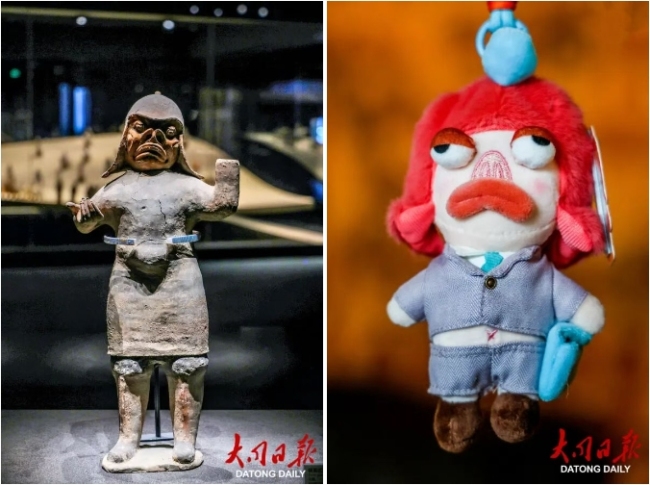
这尊“打工俑”的原型,现陈列于大同市博物馆二楼北魏展厅。作为中国墓葬文化中的重要角色,镇墓武士俑是陪伴在墓主人身边的“守门员”。在古人“事死如事生”观念的影响下,这类俑像频繁出现于墓葬之中,起到镇妖驱邪、守护墓主人安宁的作用。北魏是镇墓武士俑发展较为兴盛的时期,而作为北魏核心区域的山西,出土了大量此类文物。它们造型风格鲜明,多身着铠甲,或手持兵器,或一手持兵器一手持盾,呈站立或半蹲状,威风凛凛。
The prototype of this “Working Figurine” is displayed in the Northern Wei exhibition hall on the second floor of the Datong Museum. As an important figure in Chinese burial culture, the tomb-guarding warrior served as the “gatekeeper” accompanying the tomb owner. Influenced by the ancient belief in “serving the dead as one would serve the living,” such figurines frequently appeared in tombs, tasked with warding off evil spirits and protecting the peace of the deceased. The Northern Wei dynasty marked a flourishing period for the development of tomb-guarding warrior figurines, and Shanxi—the heartland of the Northern Wei—has yielded many such artifacts. These figurines share distinctive stylistic features: most are clad in armor, either holding weapons or bearing a weapon in one hand and a shield in the other, standing or half-crouching in a formidable stance.
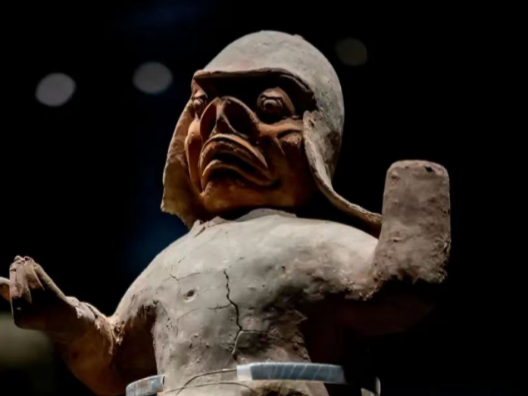
大同市博物馆收藏的这尊北魏武士俑,学术资料如此描述它:“头戴兜鍪,双目怒睁,鼻孔朝天,大嘴厚唇,牙齿外露。”它本是守护墓主人的威严存在,却因其极具辨识度的面部特征,被游客戏称为“博物馆显眼包”,迅速走红网络。那夸张的怒目、朝天翻起的鼻孔、外露的厚唇,在千年之后,不再令人畏惧,反而透出一种莫名的喜感。
The academic records describe this particular Northern Wei warrior figurine from the Datong Museum as follows: “wearing a helmet, eyes wide with anger, nostrils flaring upward, large mouth with thick lips, teeth exposed.” Originally a majestic guardian of the tomb owner, its highly distinctive facial features led visitors to jokingly call it the “museums’s standout character,” propelling it to internet fame. Those exaggerated angry eyes, upturned nostrils, and thick, exposed lips, a thousand years later, no longer inspire fear but instead exude an inexplicable charm and humor.
博物馆顺势推出同款文创,以这尊武士俑为原型,进行了Q版毛绒化重构。设计者精准保留了它“丑萌”的神韵——凸起的眼球依旧略显呆滞,鼻孔朝天形似“猪鼻”,标志性的“香肠嘴”向下咧着,平添了几分无奈与喜感。头顶的玻璃瓶背后写着两个大字:“瓶啥”。手里拎着公文包,身穿西装、打着领带——俨然一套职场“打工人”行头。
Window of Shanxi
-
Architectural Treasures · The Art of Traditional Chinese Architecture
-
Shanxi Autumn: The Earth's Palette
-
Meet Shanxi on Screen
-

Summer Rest, Cooler Dwelling
-

Cool & Tangy: A Shanxi Summer Menu
Trending News
-

Wutai Umber: A Caramel Fairytale on the Roof of North China
-

Yellow River Ochre: A Great River's Autumn Variations
-

Salt Lake Pink: The Earth's Eyeshadow Palette, Hidden in Shanxi's Rose-Colored Autumn
-

Taihang Red: Driving Through China's Most Dramatic Autumn
-

Yunqiu White: A Winter Fairytale Hidden Inside Autumn