Qiao's Grand Courtyard: A Fortress of Shadows on Screen, a Merchant's Soul Off Screen
每当张艺谋的《大红灯笼高高挂》那压抑而浓烈的红色画面浮现,人们总会想起那座对称森严、高墙深锁的北方院落。1991年,这部电影让山西祁县的乔家大院一夜之间从乡野民居跃升为世界影迷心中的东方符号。奥斯卡最佳外语片提名、威尼斯银狮奖……这些荣誉不仅属于电影,也属于这座“在中堂”——一座用青砖灰瓦写就的封建家族史诗。
Whenever the suffocating yet vivid reds of Zhang Yimou's Raise the Red Lantern flash across the mind, one recalls that symmetrically stern, high-walled northern courtyard. In 1991, this film catapulted the Qiao's Grand Courtyard in Qixian County, Shanxi, from a rural homestead to an Eastern icon in the hearts of cinephiles worldwide. An Academy Award nomination for Best Foreign Language Film, the Silver Lion in Venice – these accolades belong not only to the movie but also to the "Zai Zhong Tang," an epic of feudal family life etched in grey brick and black tile.
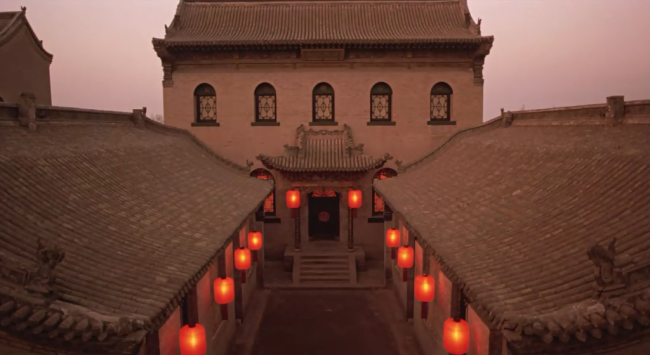
图源:山西卫视公众号
改编自苏童小说《妻妾成群》,影片以色彩和空间构筑出一场视觉寓言。乔家大院那规整到近乎窒息的院落布局,恰好成为封建礼教的物理化身:高墙隔开内外,甬道串联着等级,每一个窗棂后都藏着一双被规训的眼睛。张艺谋的镜头大量使用对称构图,将人物置于巨大的建筑框架中,显出其渺小与无力。这种艺术处理让全球观众无需语言,便能感知到东方宗法制度下女性的命运悲歌。而乔家大院本身,也因这份“真实的厚重”,从此成为影视人争相奔赴的取景圣地。
Adapted from Su Tong's novella Raise the Red Lantern, the film builds a visual allegory through colour and space. The Courtyard's rigid, almost suffocating layout serves as a physical embodiment of feudal propriety: high walls sever inside from outside, corridors delineate hierarchy, and behind every latticed window lurks a disciplined gaze. Zhang's camera favours symmetrical compositions, placing figures within vast architectural frames to underscore their insignificance and helplessness. This artistry allows global audiences, without a shared language, to feel the tragic fate of women under the patriarchal clan system. And it is precisely this "palpable gravity" that has made the Compound a perennial magnet for filmmakers ever since.
图源:山西画报公众号
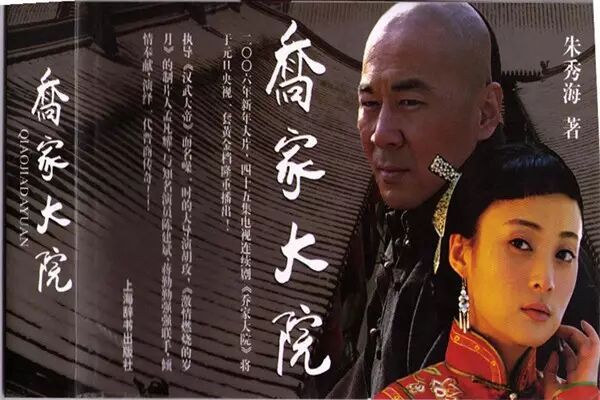
如果说电影让乔家大院“被看见”,那么2006年电视剧《乔家大院》则让这座宅院“被读懂”。该剧在央视一套黄金档播出后,创下收视奇迹,也把“晋商”这个充满传奇色彩的名词推向全国。剧中主角乔致庸,正是这座宅院真正的主人——清代叱咤风云的商业金融巨擘。电视剧不止于宅斗与商战,更以恢弘笔触再现了晋商开辟万里茶道、以义制利的经营哲学。镜头从深宅内院拉向大漠驼铃,观众恍然:这座院子不只是家族居所,更是一个庞大商业帝国的神经中枢。
If the film made the Courtyard visible, the 2006 TV drama Qiao's Grand Courtyard made it legible. Airing in primetime on CCTV-1, the series shattered viewership records and propelled the term "Jin Merchants" – Shanxi's legendary financiers – into the national consciousness. Its protagonist, Qiao Zhiyong, was the very master of this estate, a tycoon of the Qing dynasty's commercial empire. The drama transcends clan squabbles and trade rivalries; it vividly resurrects the merchant’s philosophy of opening the thousand-mile Tea Road and upholding "righteousness over profit." The camera pulls back from the inner chambers to the desert caravans, and the audience realises: this courtyard was not merely a family home but the nerve centre of a vast business dominion.

图源:中国驻新加坡旅游办事处公众号
一部电影,一部剧集,先后两次引爆现实旅游热潮。如今,已有逾百部影视作品、综艺、纪录片在此取景。乔家大院已从一个地理名词,升华为一个活态的文化IP。而真正让游人驻足的,不止是银幕情怀,更是院落本身无言的建筑诗篇。
One film, one series – twice they ignited a tourism frenzy. Today, over a hundred movies, variety shows, and documentaries have shot here. The Qiao's Grand Courtyard has evolved from a mere geographical name into a living cultural IP. Yet what truly captivates visitors is not merely screen nostalgia, but the compound's own silent architectural poetry.
图源:山西文旅融媒体中心公众号
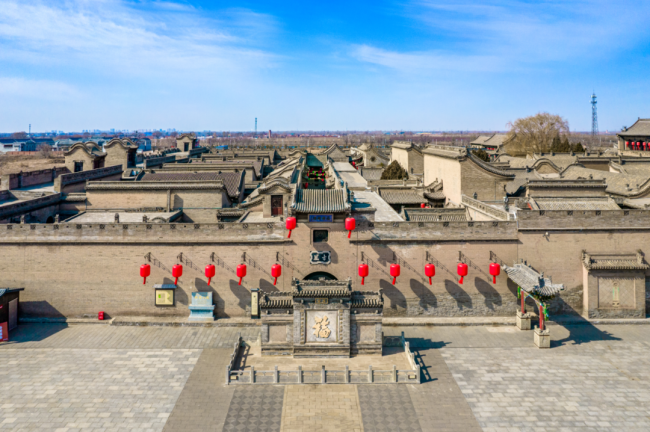
乔家大院又名“在中堂”,始建于清乾隆二十年,历经乔家六代人的三次大规模扩建,形成了一座全封闭城堡式建筑群,三面临街,俯瞰呈“囍”字形。六百多间房屋层层嵌套,院落与院落相连,仿佛一座北方民居的迷宫。与故宫的皇家气派不同,这里散发着精明的商贾气息——木雕、砖雕、石雕遍布门楣廊柱,彩绘、牌匾、照壁处处成景,每一处细节都暗含着“修身齐家”的儒家训诫,也彰显着工匠穷极精巧的智慧。院内还珍藏着上万件民俗文物,从账册器物到书画老物,把明清晋商的日常起居与商贸往来原汁原味地封存至今。
Known also as "Zai Zhong Tang," the Courtyard was first built in the 20th year of the Qianlong reign (1755) and expanded three times over six generations of the Qiao's family, culminating in a fully enclosed castle-like complex opening onto three streets. From above, its floor plan forms the Chinese character "囍" (double happiness). Over 600 rooms interlock in a labyrinthine arrangement, a quintessence of northern Chinese vernacular architecture. Unlike the imperial majesty of the Forbidden City, here exudes a shrewd mercantile spirit: wood, brick, and stone carvings adorn every lintel and pillar; painted decorations, inscribed plaques, and screen walls grace every corner. Each detail encodes Confucian precepts of "self-cultivation and family harmony," while showcasing the craftsmen's virtuosity. The compound also houses over ten thousand folk artefacts – account books, utensils, calligraphy, and paintings – preserving the daily life and trade practices of the Jin Merchants during the Ming and Qing dynasties with remarkable authenticity.
2024年,乔家大院的一位资深讲解员贾鑫禾在接受采访时说:“乔家大院极具东方特色的中式古建美学与修身齐家的文化内涵,不受语言和地域限制,能够让世界通过这一文化窗口,更好地读懂山西文脉与中华传统的人文精神。”这番话点出了这座院落跨越时空的吸引力——它既是物质的遗存,更是精神的载体。
In 2024, Jia Xinhe, a senior guide at the compound, remarked, "The distinctive Eastern aesthetics of ancient Chinese architecture and the cultural ethos of self-cultivation and family governance, embodied in the Qiao's Grand Courtyard, transcend language and geography. Through this cultural window, the world can better grasp the Shanxi heritage and the humanistic spirit of Chinese tradition." Her words capture the timeless allure of this estate – a material relic and, more importantly, a vessel of spiritual values.
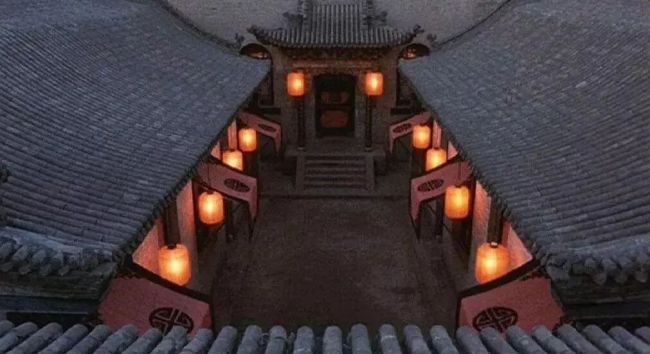
对于旅行者而言,乔家大院并非遥不可及的学术标本。从太原乘火车至祁县站,或从建南汽车站乘往平遥方向的巴士,在乔家堡村下车即达;自驾则可走大运高速,祁县出口下。穿过现代喧嚣,一转身,便跌入了那个灯笼高悬、驼铃悠远的旧梦。
For travellers, the Courtyard is far from an unreachable academic specimen. Take a train from Taiyuan to Qixian County Station, or board a bus from Jiannan Bus Station towards Pingyao and alight at Qiajiabu Village. By car, take the Dayun Expressway and exit at Qixian County. Step through the modern bustle, and in an instant you tumble into a dream of crimson lanterns and distant camel bells.
图源:山西日报公众号
如果你是为电影而来,你会找到那片红色的记忆;如果你是为历史而来,你会遇见一部砖石写就的晋商春秋。而若你只是为了片刻出离,这座沉默了两百多年的老宅,也愿意在某个午后的斜阳里,为你展开一帧帧无需台词的光影画卷。
If you come for the cinema, you will find that red memory. If you come for history, you will encounter a chronicle of Jin merchant fortunes written in brick and stone. And if you come simply to escape, this two-hundred-year-old mansion, in the slanting light of an afternoon, will unfold for you a sequence of picture-perfect frames – no dialogue needed.
(图源网络侵删)
(The image source is from the internet. If infringement, it will be deleted.)
来源:中华网综合整理
Source: Comprehensive collation by sx.china.com
Window of Shanxi
-

Shanxi Autumn: The Earth's Palette
-
Meet Shanxi on Screen
-

Summer Rest, Cooler Dwelling
-

Cool & Tangy: A Shanxi Summer Menu
-

Along the Cultural Landscape of China·Shanxi
Trending News
-
Datong Blue: A Love Letter from the Sky Above the Great Wall
-
Hukou Waterfall: The Tragic Stage of Lovers' Grief over the Yellow River, A Majestic Screen Poem Between Heaven and Earth
-
Fenyang: Jia Zhangke's Hometown on Screen, a Sample of a Changing Era
-
Mount Cang: A Mountain That Sheltered an Orphan, an Epic of Loyalty and Sacrifice
-
Pingyao Ancient City: A Beacon of War on the Gate Tower, a City's Glory on Screen