Shahukou: A Winding Pass in a Folk Ballad, the Soul of Shanxi on Screen
“哥哥你走西口,小妹妹我实在难留……”这首传唱百年的山西民歌,只一句便能把人拉进那片风沙漫卷、离愁别绪的黄土高原。2009年,电视剧《走西口》在央视播出,导演李三林将镜头对准了清末民初的祁县大户田家,讲述了一群因家道中落、生活所迫而背井离乡的山西人,踏上那条漫长而凶险的“西口”之路。剧集不仅是一个家族的传奇,更是一个时代的缩影——它把“走西口”这一历史现象中山西人的坚韧、道义与乡愁,一寸寸刻进荧屏。
"Brother, you’re heading west through the pass; your little sister can hardly let you go…" This century-old Shanxi folk song, with a single verse, pulls you into the dust-swept, heart-aching loess highlands. In 2009, the TV drama Going West through the Pass (Zǒu Xī Kǒu) aired on China Central Television. Director Li Sanlin turned his lens on the Tian family, a once-prosperous household in Qixian County during the late Qing and early Republican era, who, forced by bankruptcy and hardship, leave their homeland to tread the perilous "western pass." The series is more than a family saga; it is a portrait of an epoch – etching into the screen the resilience, honour, and homesickness of the Shanxi people who undertook this mass exodus.
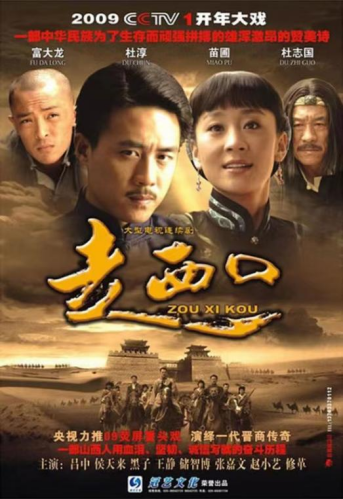
图源:山西云媒体公众号
中国近代史上有三大人口迁徙:闯关东、下南洋、走西口。前两者,一个是奔向广袤荒原,一个是闯荡海上丝路;而走西口,却带着更多的无奈与悲怆——它不是“奔”,而是“逃”。当土地养不活人,人只能收拾行囊,转身离开故土。
Modern Chinese history records three great migrations: "Braving the Northeast," "Venturing to the South Seas," and "Going West through the Pass." The first two were about seeking new frontiers – the vast wilderness and the maritime trade routes. The third, however, carried a heavier note of desperation. It was not a "venture" but an "escape." When the land could no longer sustain its people, they had no choice but to pack their meagre belongings and turn their backs on home.
图源:山西日报公众号
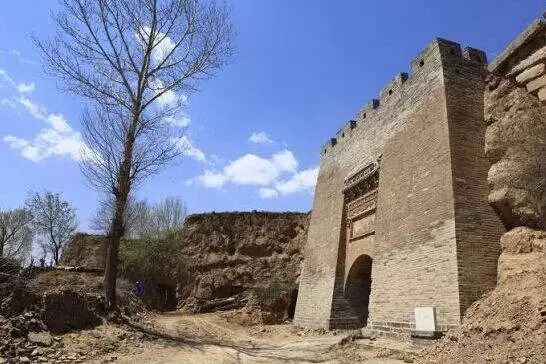
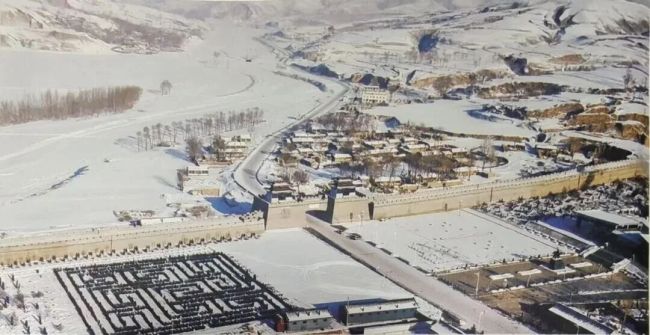
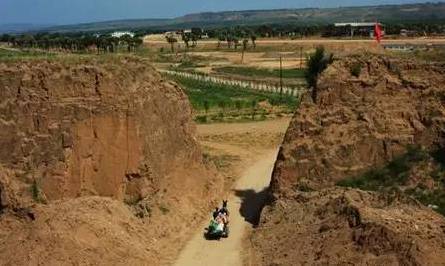
那么,“西口”究竟在哪里?许多人都误以为它是雁门关,实则不然。真正的“西口”,是位于山西朔州右玉县的杀虎口——一个长城上的古老关隘,坐落在晋北与内蒙古的交界处,是北方游牧与中原农耕的天然分界,也是千百年来南北通行的咽喉要道。至今,从大同通往呼和浩特的公路仍要经过此地。杀虎口东倚塘子山,西傍大堡山,苍头河从两山夹峙间穿流而过,冲刷出一片约三华里宽的河谷开阔地,地势险要,气象苍茫。
But where exactly is this "West Pass"? Many mistake it for the Yanmen Pass, but the true "West Pass" is Shā Hǔ Kǒu (literally "Kill-Tiger Pass") in Youyu County, Shuozhou, Shanxi – an ancient gateway on the Great Wall, straddling the border between northern Shanxi and Inner Mongolia. For millennia, it served as the vital artery between the nomadic north and the agrarian central plains. Today, the highway from Datong to Hohhot still runs through this very spot. Flanked by Tangzi Mountain to the east and Dabao Mountain to the west, the pass commands a valley about three li (roughly 1.5 kilometres) wide, carved by the Cangtou River – a landscape of stark, solemn grandeur.
这个关口最初的名字更为凛冽——“杀胡口”。明代,它是抵御北方骑兵的军事要塞,刀光剑影、戍角悲鸣。康熙三十五年(1696年),皇帝亲征噶尔丹途经此地,将“胡”字改为“虎”。一字之易,杀气顿敛,从此这座刀兵之关,变成了放老百姓出关谋生的门。一座关口,从抵御外敌到输送流民,背后是帝国边塞政策的巨变,也是无数小人物命运的转折点。
The pass originally bore a far fiercer name – "Shā Hú Kǒu" (Kill-the-Barbarian Pass). During the Ming dynasty, it was a military fortress against northern cavalry, a place of clashing swords and mournful bugles. In the 35th year of the Kangxi reign (1696), the emperor personally led a campaign against Galdan and passed through here; he changed the character "Hú" (barbarian) to "Hǔ" (tiger). That single stroke transformed a citadel of war into a gate of survival for common folk. Behind this renaming lies a seismic shift in imperial border policy – and the turning point for countless anonymous lives.
图源:山西督军府旧址 晋商博物院公众号
当年走西口的人,大致分为两类。一类叫“雁行人”——春天出关种地、做工,秋收后赶回山西老家,像候鸟一样年复一年往返。另一类,则是再也没能回来的人。那时没有公路、没有车辆,一出关便是茫茫荒原、风雪交加、狼群出没。多少人前脚迈出家门,后脚便断了音信,消失在历史的风沙里。民间有句老话,至今听来仍觉心惊:“杀虎口,杀虎口,没有钱财难过口。不是丢钱财,就是刀砍头。”字字血泪,道尽了那条路上的凶险与无助。
Those who left through the pass fell into two groups. One was the "migratory geese" – people who went out in spring to farm or labour, then rushed back home before the autumn harvest, year after year, like migratory birds. The other group never returned. In those days, there were no paved roads or vehicles; beyond the pass lay nothing but barren steppes, blizzards, and wolves. Many a man walked out the door and was never heard from again. An old saying still sends chills down the spine: "Shā Hǔ Kǒu, Shā Hǔ Kǒu – without silver, you can’t get through. Either you lose your money, or you lose your head." Every word bleeds the perils and helplessness of that road.
但幸存下来的人,在塞外扎下了根。今天的内蒙古中西部,许多人家乡音里仍带着浓浓的山西口音,他们的先祖,就是从杀虎口走出的山西人。河套平原上大片良田,是忻州人、晋北人一锹一锹开垦出来的。这条西口之路,也催生了晋商的辉煌——太谷、祁县的商帮从杀虎口出关,在归化城(今呼和浩特)起家,将茶叶、丝绸、盐铁运往草原深处,甚至远销俄罗斯。那支震撼欧亚的晋商驼队,正是在这样的生死之路上,一步步踏出了商业传奇。
Yet those who survived put down roots beyond the Great Wall. Today, in central and western Inner Mongolia, many families still speak with a distinct Shanxi accent – their ancestors were precisely those who walked out of Shā Hǔ Kǒu. Vast tracts of fertile land in the Hetao Plain were reclaimed, furrow by furrow, by settlers from Xinzhou and northern Shanxi. This western route also gave rise to the legendary Jin Merchants – the trading clans from Taigu and Qixian County passed through Shā Hǔ Kǒu, built their fortunes in Guihua City (present-day Hohhot), and carried tea, silk, salt, and iron deep into the grasslands, even as far as Russia. The fabled camel caravans that would one day astonish Eurasia blazed their commercial trails step by step along this very road of life and death.
图源:山西省文化和旅游厅公众号
站在今天的杀虎口,残破的城墙被岁月侵蚀得斑驳坑洼,每一道裂缝里都嵌满了故事。风掠过河谷,仿佛还能听见守边将士的呐喊、市集商民的喧嚣,还有那一声声回荡在古道上的驼铃。电视剧《走西口》的镜头里,田家后生牵着毛驴,一步一回头,眼中满是对故土的不舍。那不只是剧中人物的命运,更是千千万万个真实家庭的离散缩影。
Standing at Shā Hǔ Kǒu today, one sees the weathered city wall, pitted and scarred by centuries of wind and rain – every crevice packed with stories. As the wind sweeps through the river valley, you can almost hear the war cries of garrison soldiers, the clamour of market traders, and the faint jingle of camel bells echoing along the ancient path. In the drama Going West through the Pass, the young Tian scion, leading his donkey, looks back again and again, his eyes brimming with the ache of leaving home. That is not merely a fictional character's fate – it is the lived reality of hundreds of thousands of families torn apart.

图源:晋源发布公众号
如今,走西口已成为一条热门的旅游线路。游客们驾着车,沿着平坦的公路轻松驶过关口,用手机拍下苍茫的长城残垣,发一条社交动态。我们再也无法体会当年那份“一去不知生死”的悲凉,但当我们了解这段历史,站在杀虎口的土墙下,看着苍头河水静静地流向远方,或许能隐约感受到:山西人从来不是走不出黄土高坡的守旧者,他们用双脚丈量荒原,用胆魄凿开通途,把故土的记忆带向更远的地方。真正的“走西口”,走出的不仅是一条求生之路,更是一条精神血脉。
Today, the West Pass route has become a popular tourist itinerary. Visitors drive along smooth highways, breeze through the pass, snap photos of the crumbling Great Wall with their phones, and share them on social media. We can never again feel the desolation of setting out "not knowing whether you will live or die." But when we learn this history, stand beneath the earth-and-stone walls of Shā Hǔ Kǒu, and watch the Cangtou River flow silently into the distance, we may catch a faint glimpse: the Shanxi people were never the backward, homebound folk some imagine. They measured the wilderness with their feet, carved open paths with their daring, and carried the memory of their homeland far beyond the loess highlands. To "go west through the pass" was never merely a search for subsistence – it was the forging of a spiritual lineage.
如果你来到山西,请来一趟杀虎口。不必把它当作普通的景区,而应视作一座露天的历史剧场——那些风化的砖石是布景,呼啸的北风是配乐,而你,是穿越时空的观众。
If you travel to Shanxi, make your way to Shā Hǔ Kǒu. Do not treat it as a mere scenic spot; regard it as an open-air theatre of history – the weathered stones are the set, the howling north wind is the score, and you are the spectator travelling across time.
(图源网络侵删)
(The image source is from the internet. If infringement, it will be deleted.)
来源:中华网综合整理
Source: Comprehensive collation by sx.china.com
Window of Shanxi
-

Shanxi Autumn: The Earth's Palette
-

Meet Shanxi on Screen
-

Summer Rest, Cooler Dwelling
-

Cool & Tangy: A Shanxi Summer Menu
-
Along the Cultural Landscape of China·Shanxi
Trending News
-
Datong Blue: A Love Letter from the Sky Above the Great Wall
-

Hukou Waterfall: The Tragic Stage of Lovers' Grief over the Yellow River, A Majestic Screen Poem Between Heaven and Earth
-
Fenyang: Jia Zhangke's Hometown on Screen, a Sample of a Changing Era
-
Mount Cang: A Mountain That Sheltered an Orphan, an Epic of Loyalty and Sacrifice
-
Pingyao Ancient City: A Beacon of War on the Gate Tower, a City's Glory on Screen