Mount Cang: A Mountain That Sheltered an Orphan, an Epic of Loyalty and Sacrifice
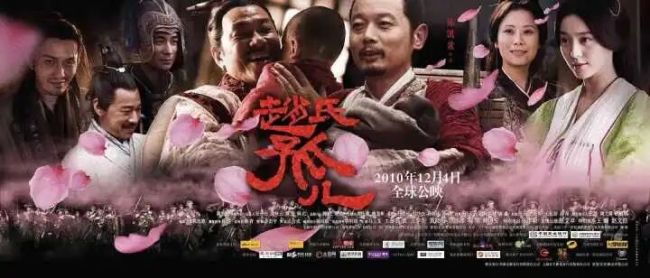
在中国历史的浩瀚长卷中,有一个故事流传了两千六百年——它被列为“中国十大悲剧”之首,被小说、戏曲、电影反复演绎,每一次重述都能让听者动容。这就是“赵氏孤儿”的故事。而它的发生地,正是山西阳泉市盂县的藏山。2010年,陈凯歌导演将这一古老传奇搬上银幕,电影《赵氏孤儿》以其宏大的叙事与深邃的人性拷问,让这座沉默千年的山峦,重新走进世界的视野。
In the vast chronicles of Chinese history, one story has endured for 2,600 years — hailed as the foremost among "China's Ten Great Tragedies," retold countless times in novels, operas, and films, each rendition stirring the hearts of its audience. This is the tale of the "Orphan of Zhao." And its true setting is Mount Cang (Cangshan) in Yuxian County, Yangquan, Shanxi. In 2010, director Chen Kaige brought this ancient legend to the screen. With its grand narrative and profound exploration of human nature, the film Sacrifice (the international title for The Orphan of Zhao) brought this silent mountain — which had witnessed the story millennia ago — back into the global spotlight.
图源:游山西公众号
春秋时期,晋国权臣屠岸贾陷害忠良,将赵氏一族满门抄斩,仅存一个遗腹孤儿赵武。门客程婴为保全赵氏血脉,忍痛将自己的亲生骨肉交出代死,携带赵武潜入深山藏匿十五年之久。那段暗无天日的岁月里,程婴背负着“卖主求荣”的骂名,在孤独与屈辱中抚育遗孤,最终辅佐赵武完成复仇,重振赵氏门楣。舍己存孤、忍辱负重——这份超越血缘的忠义与牺牲,成为中华民族精神谱系中最为沉重也最为耀眼的一章。而那座藏匿他们十五年的山,便是今日的藏山。
During the Spring and Autumn period, the treacherous minister Tu'an Gu of the State of Jin framed the loyal Zhao clan and had them all executed, sparing only a posthumous infant, Zhao Wu. Cheng Ying, a retainer of the Zhao house, resolved to preserve the clan’s bloodline. At the cost of his own son's life — offering him up in place of the orphan — he fled with the infant Zhao Wu into the deep mountains, where they remained hidden for fifteen years. In those dark years, Cheng Ying bore the stigma of "betraying his master for personal gain," raising the child in loneliness and humiliation. Eventually, he helped Zhao Wu avenge his family and restore the Zhao name. To sacrifice one's own child, to endure disgrace for the greater good — this transcendent loyalty and selflessness became one of the most poignant and radiant chapters in the spiritual heritage of the Chinese people. And the mountain that sheltered them for fifteen years is today known as Mount Cang.
图源:阳泉市文化和旅游局公众号
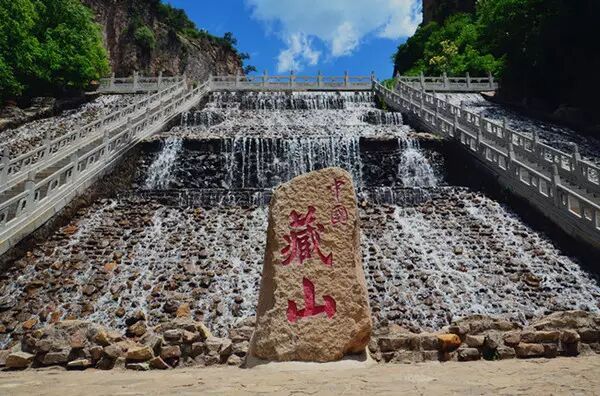
藏山,原名“盂山”。因这段“藏孤佳话”,后人将其更名为藏山。它位于山西省阳泉市盂县,素有“三晋历史文化第一名山”之称,也是忠义文化的发祥地。山势千峰叠嶂,万壑含烟,危岩如削,洞穴幽奇。松柏参天,涧水潺湲,四季景色各异——春来山花烂漫,夏至绿荫蔽日,秋临层林尽染,冬降银装素裹。藏山不仅是一座自然之山,更是一座精神之山。自春秋以降,无数文人墨客、忠义之士前来拜谒,感怀那段悲壮往事。
Originally named "Yu Mountain," it was renamed "Cang" (meaning "to hide") in honour of this story. Located in Yuxian County, Yangquan, Shanxi, it is acclaimed as the "foremost historical and cultural mountain of the Three Jin (Shanxi) region" and the birthplace of the culture of loyalty and righteousness. The mountain's peaks rise in layered splendour, its ravines veiled in mist; sheer cliffs tower like carved blades, and caves hide in mysterious seclusion. Ancient pines reach for the sky, streams babble through the valleys, and the scenery changes with each season — wildflowers in spring, dense shade in summer, brilliant foliage in autumn, and pristine snow in winter. Mount Cang is not merely a natural wonder; it is a spiritual monument. Since the Spring and Autumn period, countless scholars and patriots have come to pay homage, moved by its tragic past.
图源:阳泉市文化和旅游局公众号
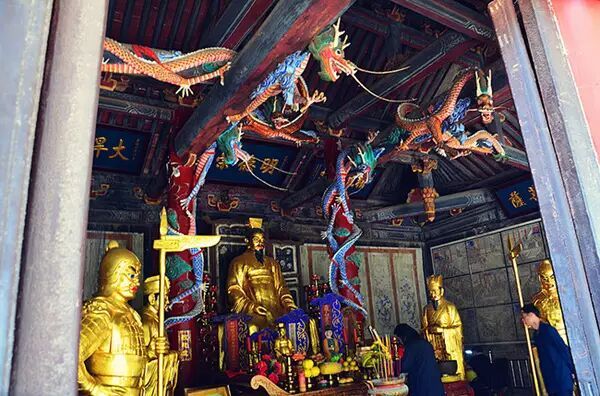
山中的古刹建筑群,格局绝妙,疏密得体,始建于北魏,历代修葺,至今仍保留着浓厚的古风。最核心的当属赵武正祠——正殿供奉的正是“赵氏孤儿”赵武本人。殿内壁画为明代所绘,以连环画的形式生动再现了“托孤”“救孤”“藏孤”“复仇”的全过程,色彩虽经数百年而犹存,线条古朴而有力。站立殿中,仿佛能听见程婴在深夜中的低语,和赵武少年练剑时的铿锵。
The ancient temple complex on the mountain, with its exquisite layout and harmonious proportions, was first built during the Northern Wei dynasty and has been renovated through successive dynasties, retaining its archaic charm. At its heart stands the Zhao Wu Memorial Hall, where the main hall enshrines Zhao Wu himself. The murals on the walls, painted in the Ming dynasty, vividly depict the entire story in a sequential narrative: the entrustment of the orphan, the rescue, the hiding, and the eventual revenge. Though centuries old, the colours remain vivid and the brushwork retains its vigour. Standing in the hall, one can almost hear Cheng Ying's whispered words in the dead of night and the clang of young Zhao Wu practising his swordplay.
图源:阳泉市文化和旅游局公众号
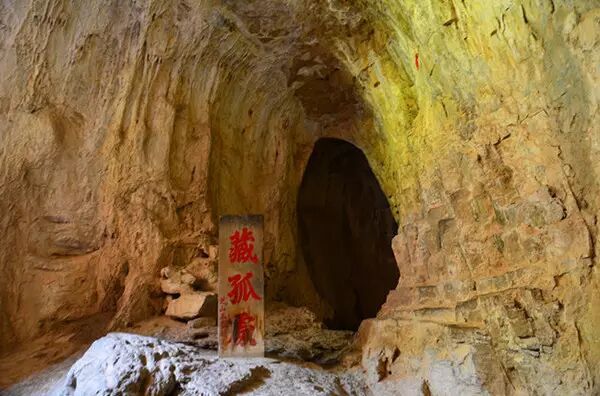
在寝宫后山腰,有一处僻静的天然石洞——藏孤洞。这里就是当年程婴携赵武藏身的真正所在。洞内幽深静谧,风雨不侵,冬暖夏凉,是一处天然的庇护所。程婴便是在这里教赵武习文练武,将复仇的种子一点一点植入少年的心中。洞前立有石碑,刻文记载着那段藏孤往事,字迹虽已斑驳,却依旧可辨。站在洞口,山风掠过松林,呼啸如诉——恍惚间,那对“父子”的身影仿佛仍未远去。
On the mountainside behind the main temple lies a secluded natural cavern — the Orphan-Hiding Cave. This is the very place where Cheng Ying and Zhao Wu took refuge. Deep and quiet, sheltered from wind and rain, cool in summer and warm in winter, it was nature's perfect sanctuary. Here Cheng Ying taught Zhao Wu letters and martial arts, planting the seed of vengeance in the boy's heart. A stele stands before the cave, its inscription recounting the hidden years; though the letters are worn, they are still legible. Standing at the cave's mouth, the wind rustles through the pines, its murmur almost like a voice — as if that father-and-son pair, bound not by blood but by fate, have never truly left.
图源:中国驻新加坡旅游办事处
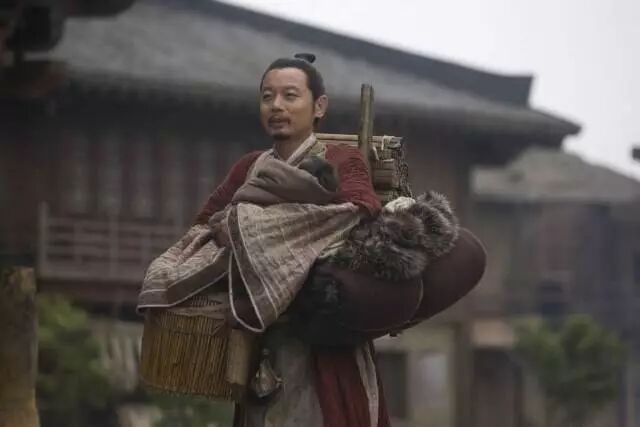
2010年,陈凯歌导演的电影《赵氏孤儿》上映。影片集结了葛优、王学圻、范冰冰等一众实力派演员,将国恨家仇、人性挣扎呈现得荡气回肠。陈凯歌将主要取景地选在藏山,不仅因为这里是故事的历史原发地,更因为藏山的险峻与幽深,天然契合影片中那份压抑、隐忍与最终爆发的戏剧张力。拍摄期间,剧组在藏山实景搭建了多个场景,将古代晋国的风云与藏山的山水融为一体。影片上映后,藏山的知名度迅速攀升,无数观众慕名而来,追寻程婴与赵武的足迹。
In 2010, Chen Kaige's film Sacrifice was released, starring Ge You, Wang Xueqi, Fan Bingbing, and a stellar cast. The movie grippingly portrayed the intertwined themes of national vendetta, family tragedy, and human moral struggle. Chen chose Mount Cang as the primary filming location not only because it is the historical birthplace of the story, but also because the mountain's ruggedness and seclusion perfectly mirrored the suppressed tension, endurance, and ultimate catharsis of the narrative. During production, the crew built several sets on location, seamlessly blending the ancient Jin state's turbulence with the mountain’s natural landscape. After the film's release, Mount Cang's fame soared, drawing countless visitors eager to follow in the footsteps of Cheng Ying and Zhao Wu.
如今,藏山已是国家AAAA级旅游景区,交通也大为改善。2009年,北京至太原(经阳泉北站)的动车开通,为藏山打开了便捷的旅游通道。对于影迷而言,藏山是电影《赵氏孤儿》的银幕原点;对于历史爱好者,它是忠义文化的朝圣之地;对于普通旅行者,它是一座风景秀丽、故事动人的山水画卷。
Today, Mount Cang is a national AAAA-level tourist attraction, with greatly improved accessibility. In 2009, the Beijing-Taiyuan high-speed train (with a stop at Yangquan North) began operation, opening a convenient travel corridor. For cinema enthusiasts, Mount Cang is the screen origin of Sacrifice; for history lovers, it is a pilgrimage site of loyalty and righteousness; for the casual traveller, it is a landscape painting rich with a powerful story.
藏山不高,却足以藏下千古忠魂。走吧,去藏山,听山风讲述那个永不落幕的故事。
Mount Cang is not towering in height, yet it has room enough to shelter an eternal loyal soul. Go there, and let the mountain wind tell you that timeless tale.
(图源网络侵删)
(The image source is from the internet. If infringement, it will be deleted.)
来源:中华网综合整理
Source: Comprehensive collation by sx.china.com
Window of Shanxi
-
Shanxi Autumn: The Earth's Palette
-

Meet Shanxi on Screen
-

Summer Rest, Cooler Dwelling
-

Cool & Tangy: A Shanxi Summer Menu
-
Along the Cultural Landscape of China·Shanxi
Trending News
-
Datong Blue: A Love Letter from the Sky Above the Great Wall
-
Hukou Waterfall: The Tragic Stage of Lovers' Grief over the Yellow River, A Majestic Screen Poem Between Heaven and Earth
-
Fenyang: Jia Zhangke's Hometown on Screen, a Sample of a Changing Era
-
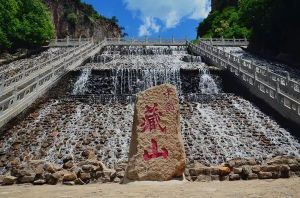
Mount Cang: A Mountain That Sheltered an Orphan, an Epic of Loyalty and Sacrifice
-
Pingyao Ancient City: A Beacon of War on the Gate Tower, a City's Glory on Screen