Fenyang: Jia Zhangke's Hometown on Screen, a Sample of a Changing Era
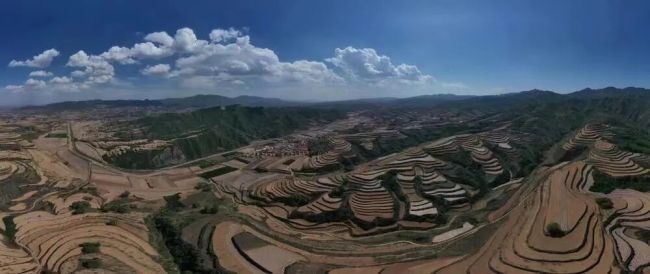
在中国电影版图上,贾樟柯是一个独特的存在。他的镜头始终对准山西汾阳——他的故乡,也是他电影宇宙的圆心。从《小武》到《山河故人》,二十余年间,贾樟柯用纪实般的影像,为汾阳和它所代表的县城中国,留下了一部编年史。对于国际观众而言,走进汾阳,就是走进贾樟柯的电影,走进一个真实、粗粝又充满诗意的中国腹地。
In the landscape of Chinese cinema, Jia Zhangke occupies a unique place. His lens has always been trained on Fenyang, Shanxi—his hometown and the centre of his cinematic universe. From Xiao Wu to Mountains May Depart, over more than two decades, Jia has used documentary-like imagery to create a chronicle of Fenyang and the county-town China it represents. For international audiences, stepping into Fenyang is stepping into Jia's films—into a real, gritty, and poetic heartland of China.
图源:吕梁文旅
贾氏“汾阳宇宙”:从街头到山河
The "Fenyang Universe": From Streets to Mountains and Rivers
1998年,《小武》横空出世。这部生发于汾阳的纪实影像,以街头巷尾的真实记录为主,将镜头对准一个无所适从的小偷。影片粗粝的质感,让世界第一次看见了汾阳的街景与市井。2000年的《站台》则是一部史诗。影片深度追溯改革开放初期县城青年面对时代浪潮的迷茫、躁动与追寻。汾阳的老城墙、小火车站、街道、工厂礼堂、文化宫舞台,成为见证那段集体记忆的关键坐标。这部电影是对一个时代和一个地方青年生态的史诗性描绘。《任逍遥》(2002)虽以大同为主,但仍延续对边缘青年的关注,城市景观与汾阳印记交织。
In 1998, Xiao Wu burst onto the scene. This documentary-style film, rooted in Fenyang, focused on the real streets and alleys, turning its lens on a disoriented petty thief. Its raw texture allowed the world to see Fenyang's streetscape and everyday life for the first time. Platform (2000) was an epic. The film deeply traces the confusion, restlessness, and searching of county-town youth in the early years of reform and opening up. Fenyang's old city walls, small train station, streets, factory auditoriums, and cultural palace stage became key coordinates bearing witness to that collective memory. It is an epic portrayal of a generation and a local youth ecology. Unknown Pleasures (2002), though mainly set in Datong, continues the focus on marginal youth, intertwining urban landscapes with Fenyang impressions.
图源:新浪微博@贾樟柯
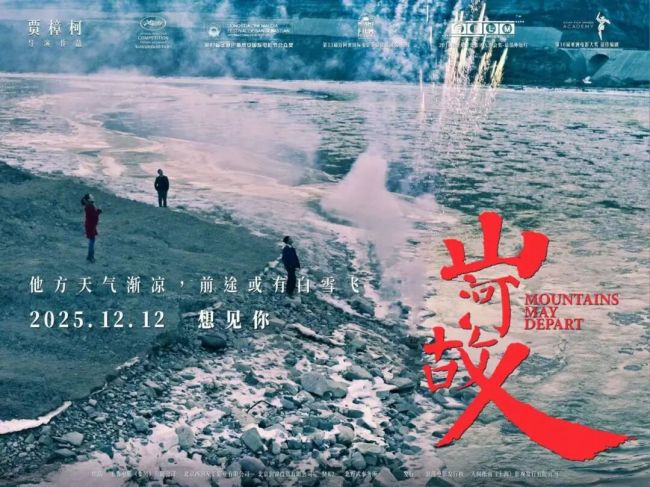
2015年的《山河故人》是贾樟柯集大成之作。影片以汾阳为核心,时间横跨过去、现在与未来,讲述母爱的力量和局限。故事分三部分展开,跨度26年,集剧情片、寓言和近未来科幻元素于一体。“老家”汾阳始终是情感纽带和精神原点。汾阳的街巷、迪厅、文峰塔、破败的工厂、机场,以及滚滚黄河水,成为乡愁、离散、亲情与时代变迁最复杂也最浓烈的具象化表达。“山河”在片名中直指三晋大地。
Mountains May Depart (2015) is Jia's magnum opus. Centred on Fenyang, it ps past, present, and future, telling a story about the power and limits of maternal love. Divided into three parts across 26 years, it blends drama, fable, and near-future sci-fi. "Home" Fenyang remains the emotional bond and spiritual origin. Fenyang's alleys, discos, Wenfeng Pagoda, decaying factories, airport, and the rolling Yellow River become the most complex and intense embodiment of nostalgia, diaspora, family, and changing times. "Mountains and rivers" in the title directly point to the land of Shanxi.
银幕之外:汾阳的时空坐标
Beyond the Screen: Fenyang’s Coordinates in Time
贾樟柯电影中的汾阳,并非虚构。那些场景至今仍可寻觅。
The Fenyang in Jia's films is not fictional. Those locations can still be found today.
图源:新浪微博@贾樟柯
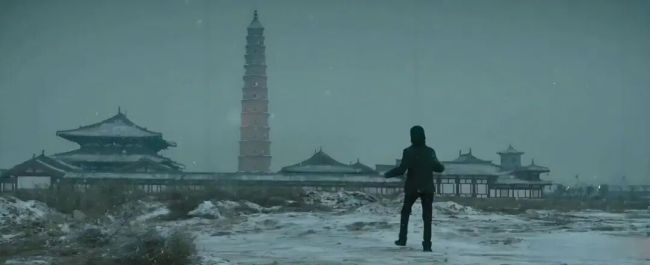
汾阳文峰塔建于明末清初,位于城区以东2公里的建昌村。该塔共十三层,高度位于全国砖结构古塔前列,是我国文峰塔中的杰出代表。清康熙时期《汾阳县志》记载,此塔由明末进士、汾阳人朱之俊倡议集资而建。塔为砖结构,平面八角形,由塔座、塔身、塔刹三部分组成。文峰塔是古代人民为使当地文风、文脉顺达、多出人才,根据风水理论而建造的,兼具观赏性和标帜性,是科举制度的产物,也是儒、释、道三教思想共同作用下的产物。在《山河故人》中,文峰塔静静矗立,见证着人物的离散与归来。
Fenyang Wenfeng Pagoda was built in the late Ming and early Qing dynasties, located in Jianchang Village, 2 kilometres east of the city. The pagoda has thirteen storeys, ranking among the tallest brick pagodas in China, and is an outstanding representative of its kind. According to the Fenyang County Annals from the Kangxi period, it was initiated and funded by Zhu Zhijun, a Fenyang native and Ming dynasty scholar. The brick pagoda has an octagonal plan and consists of base, body, and finial. Wenfeng Pagodas were built according to feng shui theory to ensure the smooth flow of local literary culture and the emergence of talent. They are both ornamental and symbolic, products of the imperial examination system and of the combined influence of Confucianism, Buddhism, and Daoism. In Mountains May Depart, the pagoda stands silently, witnessing the characters' departures and returns.
图源:《山河故人》剧照
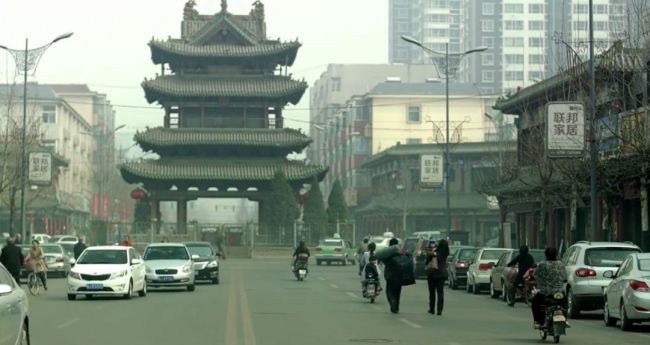
南薰楼位于汾阳市南薰路与迎新街相交的十字路口中央。“南薰”取“薰风南来”之意,薰风又称巽风,指吹自东南方的和煦之风,应兆人心和善,万物茂盛。南薰楼建于明弘治十三年(1500年),万历二十二年(1594年)增修佛阁,清康熙十二年(1673年)重修。1993年落架重修,整体抬高1米,现存为明代遗构。这座楼阁是汾阳老城的地标,也是贾樟柯电影中反复出现的空间符号。
Nanxun Tower stands at the crossroads of Nanxun Road and Yingxin Street in Fenyang. "Nanxun" means "warm wind from the south." The warm wind, also called Xun wind, refers to the gentle breeze from the southeast, symbolising harmony and prosperity. The tower was built in the thirteenth year of the Hongzhi reign (1500), expanded with a Buddhist pavilion in 1594, and renovated in 1673. In 1993, it underwent a complete restoration and was raised by one metre; the current structure dates from the Ming dynasty. This tower is a landmark of old Fenyang and a recurring spatial symbol in Jia's films.
还有汾阳市基督教教堂,建于1910年,由文阿德牧师在汾州府城内南水井街北口主持修建(现今在指挥街)。教堂由祷告堂、钟楼、教堂附属建筑三部分组成。高20米的钟楼拔地而起,极为壮观,是当时城内最高建筑,可俯瞰汾阳全城。祷告堂与钟楼为连体建筑,平面呈十字,钟楼主体为西式风格,顶部则为中国传统的四面歇山式,别具一格。这种中西合璧的建筑,恰如汾阳本身——传统与现代、本土与外来交织。
There is also the Fenyang Christian Church, built in 1910 by Reverend Wen Ade at the north entrance of Nanshuijing Street (now Zhihui Street). It consists of a prayer hall, a bell tower, and auxiliary buildings. The 20-metre bell tower was the tallest structure in the city at the time, offering a panoramic view of Fenyang. The prayer hall and bell tower are connected, with a cross-shaped plan. The tower's main body is Western in style, while its top features a traditional Chinese four-sided hip-and-gable roof—a unique hybrid. This East-West architecture mirrors Fenyang itself: a blend of tradition and modernity, local and foreign.
旅行指南:如何走进贾樟柯的汾阳
Travel Guide: How to Enter Jia Zhangke's Fenyang
到汾阳,建议从老城开始。步行穿过南薰楼所在的十字路口,感受老城的市井气息。然后前往文峰塔,登塔俯瞰汾阳全景——虽然城市已扩张,但那种县城特有的空间感仍在。基督教教堂也值得一看,它见证了汾阳近代以来的开放与变迁。如果时间充裕,可以前往黄河壶口瀑布——那是《山河故人》中另一重要取景地,距汾阳约数小时车程。
Start in the old town. Walk through the crossroads where Nanxun Tower stands and feel the bustle of old Fenyang. Then head to Wenfeng Pagoda and climb it for a panoramic view—though the city has expanded, the county-town spatial feel remains. The Christian church is also worth a visit, bearing witness to Fenyang's modern openness and transformation. If time permits, travel to Hukou Waterfall on the Yellow River—another key location in Mountains May Depart, a few hours' drive from Fenyang.
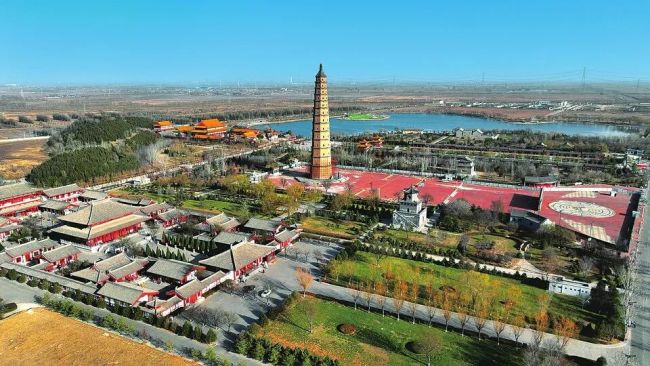
图源:山西文物
最佳旅行季节是春秋两季。汾阳的街巷适合漫无目的地行走,正如贾樟柯的电影,不追求戏剧性,而在日常中显现诗意。你可以在老城的迪厅旧址感受《山河故人》中那场著名的迪斯科,也可以在破败的工厂前驻足,想象《站台》里那些年轻人的迷茫与渴望。
The best seasons to visit are spring and autumn. Fenyang's alleys are made for aimless wandering, just like Jia's films—not seeking drama, but revealing poetry in the everyday. You can feel the famous disco scene from Mountains May Depart at the old disco site, or pause before a decaying factory and imagine the confusion and longing of the youth in Platform.
从银幕上的惊鸿一瞥,到镜头外的身临其境,山西正用一座座古建、一处处遗址、一段段故事,让千年文脉在光影中持续“出圈”,也让这片土地的厚重与魅力,被更多人看见、走近、铭记。汾阳,就是这样一个样本——它因贾樟柯的电影而被世界看见,也因自身的厚重而值得被铭记。
From a fleeting glimpse on screen to an immersive experience off screen, Shanxi is using its ancient buildings, ruins, and stories to keep its millennia-old cultural heritage "trending" through light and shadow, allowing more people to see, approach, and remember the weight and charm of this land. Fenyang is such a sample—seen by the world because of Jia Zhangke's films, and worth remembering for its own profound depth.
(图源网络侵删)
(The image source is from the internet. If infringement, it will be deleted.)
来源:中华网综合整理
Source: Comprehensive collation by sx.china.com
Window of Shanxi
-
Shanxi Autumn: The Earth's Palette
-
Meet Shanxi on Screen
-

Summer Rest, Cooler Dwelling
-

Cool & Tangy: A Shanxi Summer Menu
-
Along the Cultural Landscape of China·Shanxi
Trending News
-
Wutai Umber: A Caramel Fairytale on the Roof of North China
-
Yellow River Ochre: A Great River's Autumn Variations
-
Salt Lake Pink: The Earth's Eyeshadow Palette, Hidden in Shanxi's Rose-Colored Autumn
-
Taihang Red: Driving Through China's Most Dramatic Autumn
-
Yunqiu White: A Winter Fairytale Hidden Inside Autumn