Qiao's Grand Courtyard: A Fortress of Shadows on Screen, a Merchant's Soul Off Screen
If the film made the Courtyard visible, the 2006 TV drama Qiao's Grand Courtyard made it legible. Airing in primetime on CCTV-1, the series shattered viewership records and propelled the term "Jin Merchants" – Shanxi's legendary financiers – into the national consciousness. Its protagonist, Qiao Zhiyong, was the very master of this estate, a tycoon of the Qing dynasty's commercial empire. The drama transcends clan squabbles and trade rivalries; it vividly resurrects the merchant’s philosophy of opening the thousand-mile Tea Road and upholding "righteousness over profit." The camera pulls back from the inner chambers to the desert caravans, and the audience realises: this courtyard was not merely a family home but the nerve centre of a vast business dominion.

图源:中国驻新加坡旅游办事处公众号
一部电影,一部剧集,先后两次引爆现实旅游热潮。如今,已有逾百部影视作品、综艺、纪录片在此取景。乔家大院已从一个地理名词,升华为一个活态的文化IP。而真正让游人驻足的,不止是银幕情怀,更是院落本身无言的建筑诗篇。
One film, one series – twice they ignited a tourism frenzy. Today, over a hundred movies, variety shows, and documentaries have shot here. The Qiao's Grand Courtyard has evolved from a mere geographical name into a living cultural IP. Yet what truly captivates visitors is not merely screen nostalgia, but the compound's own silent architectural poetry.
图源:山西文旅融媒体中心公众号
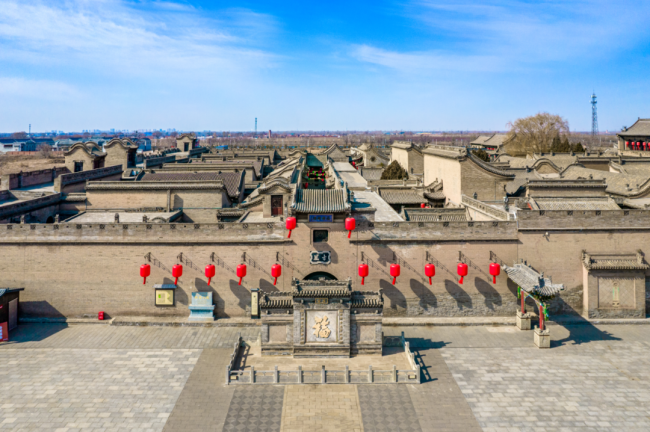
乔家大院又名“在中堂”,始建于清乾隆二十年,历经乔家六代人的三次大规模扩建,形成了一座全封闭城堡式建筑群,三面临街,俯瞰呈“囍”字形。六百多间房屋层层嵌套,院落与院落相连,仿佛一座北方民居的迷宫。与故宫的皇家气派不同,这里散发着精明的商贾气息——木雕、砖雕、石雕遍布门楣廊柱,彩绘、牌匾、照壁处处成景,每一处细节都暗含着“修身齐家”的儒家训诫,也彰显着工匠穷极精巧的智慧。院内还珍藏着上万件民俗文物,从账册器物到书画老物,把明清晋商的日常起居与商贸往来原汁原味地封存至今。
Known also as "Zai Zhong Tang," the Courtyard was first built in the 20th year of the Qianlong reign (1755) and expanded three times over six generations of the Qiao's family, culminating in a fully enclosed castle-like complex opening onto three streets. From above, its floor plan forms the Chinese character "囍" (double happiness). Over 600 rooms interlock in a labyrinthine arrangement, a quintessence of northern Chinese vernacular architecture. Unlike the imperial majesty of the Forbidden City, here exudes a shrewd mercantile spirit: wood, brick, and stone carvings adorn every lintel and pillar; painted decorations, inscribed plaques, and screen walls grace every corner. Each detail encodes Confucian precepts of "self-cultivation and family harmony," while showcasing the craftsmen's virtuosity. The compound also houses over ten thousand folk artefacts – account books, utensils, calligraphy, and paintings – preserving the daily life and trade practices of the Jin Merchants during the Ming and Qing dynasties with remarkable authenticity.
Window of Shanxi
-

Shanxi Autumn: The Earth's Palette
-
Meet Shanxi on Screen
-

Summer Rest, Cooler Dwelling
-

Cool & Tangy: A Shanxi Summer Menu
-
Along the Cultural Landscape of China·Shanxi
Trending News
-
Datong Blue: A Love Letter from the Sky Above the Great Wall
-
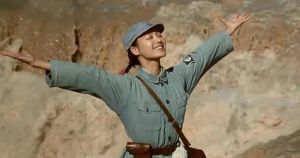
Hukou Waterfall: The Tragic Stage of Lovers' Grief over the Yellow River, A Majestic Screen Poem Between Heaven and Earth
-
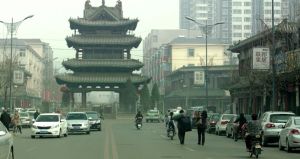
Fenyang: Jia Zhangke's Hometown on Screen, a Sample of a Changing Era
-
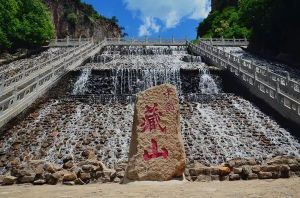
Mount Cang: A Mountain That Sheltered an Orphan, an Epic of Loyalty and Sacrifice
-
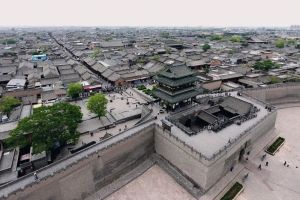
Pingyao Ancient City: A Beacon of War on the Gate Tower, a City's Glory on Screen