Shahukou: A Winding Pass in a Folk Ballad, the Soul of Shanxi on Screen
“哥哥你走西口,小妹妹我实在难留……”这首传唱百年的山西民歌,只一句便能把人拉进那片风沙漫卷、离愁别绪的黄土高原。2009年,电视剧《走西口》在央视播出,导演李三林将镜头对准了清末民初的祁县大户田家,讲述了一群因家道中落、生活所迫而背井离乡的山西人,踏上那条漫长而凶险的“西口”之路。剧集不仅是一个家族的传奇,更是一个时代的缩影——它把“走西口”这一历史现象中山西人的坚韧、道义与乡愁,一寸寸刻进荧屏。
"Brother, you’re heading west through the pass; your little sister can hardly let you go…" This century-old Shanxi folk song, with a single verse, pulls you into the dust-swept, heart-aching loess highlands. In 2009, the TV drama Going West through the Pass (Zǒu Xī Kǒu) aired on China Central Television. Director Li Sanlin turned his lens on the Tian family, a once-prosperous household in Qixian County during the late Qing and early Republican era, who, forced by bankruptcy and hardship, leave their homeland to tread the perilous "western pass." The series is more than a family saga; it is a portrait of an epoch – etching into the screen the resilience, honour, and homesickness of the Shanxi people who undertook this mass exodus.
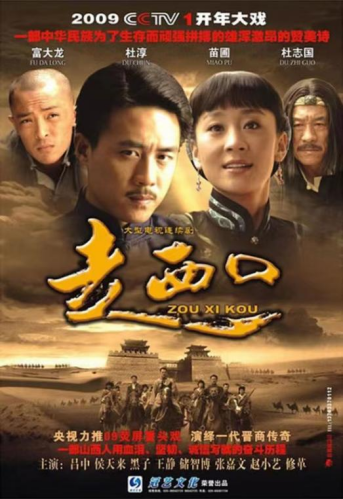
图源:山西云媒体公众号
中国近代史上有三大人口迁徙:闯关东、下南洋、走西口。前两者,一个是奔向广袤荒原,一个是闯荡海上丝路;而走西口,却带着更多的无奈与悲怆——它不是“奔”,而是“逃”。当土地养不活人,人只能收拾行囊,转身离开故土。
Modern Chinese history records three great migrations: "Braving the Northeast," "Venturing to the South Seas," and "Going West through the Pass." The first two were about seeking new frontiers – the vast wilderness and the maritime trade routes. The third, however, carried a heavier note of desperation. It was not a "venture" but an "escape." When the land could no longer sustain its people, they had no choice but to pack their meagre belongings and turn their backs on home.
图源:山西日报公众号
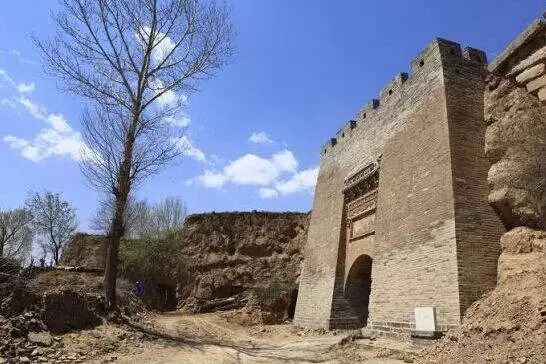
那么,“西口”究竟在哪里?许多人都误以为它是雁门关,实则不然。真正的“西口”,是位于山西朔州右玉县的杀虎口——一个长城上的古老关隘,坐落在晋北与内蒙古的交界处,是北方游牧与中原农耕的天然分界,也是千百年来南北通行的咽喉要道。至今,从大同通往呼和浩特的公路仍要经过此地。杀虎口东倚塘子山,西傍大堡山,苍头河从两山夹峙间穿流而过,冲刷出一片约三华里宽的河谷开阔地,地势险要,气象苍茫。
But where exactly is this "West Pass"? Many mistake it for the Yanmen Pass, but the true "West Pass" is Shā Hǔ Kǒu (literally "Kill-Tiger Pass") in Youyu County, Shuozhou, Shanxi – an ancient gateway on the Great Wall, straddling the border between northern Shanxi and Inner Mongolia. For millennia, it served as the vital artery between the nomadic north and the agrarian central plains. Today, the highway from Datong to Hohhot still runs through this very spot. Flanked by Tangzi Mountain to the east and Dabao Mountain to the west, the pass commands a valley about three li (roughly 1.5 kilometres) wide, carved by the Cangtou River – a landscape of stark, solemn grandeur.
Window of Shanxi
-

Shanxi Autumn: The Earth's Palette
-

Meet Shanxi on Screen
-

Summer Rest, Cooler Dwelling
-

Cool & Tangy: A Shanxi Summer Menu
-

Along the Cultural Landscape of China·Shanxi
Trending News
-
Datong Blue: A Love Letter from the Sky Above the Great Wall
-

Hukou Waterfall: The Tragic Stage of Lovers' Grief over the Yellow River, A Majestic Screen Poem Between Heaven and Earth
-
Fenyang: Jia Zhangke's Hometown on Screen, a Sample of a Changing Era
-
Mount Cang: A Mountain That Sheltered an Orphan, an Epic of Loyalty and Sacrifice
-
Pingyao Ancient City: A Beacon of War on the Gate Tower, a City's Glory on Screen