Fenyang: Jia Zhangke's Hometown on Screen, a Sample of a Changing Era
Mountains May Depart (2015) is Jia's magnum opus. Centred on Fenyang, it ps past, present, and future, telling a story about the power and limits of maternal love. Divided into three parts across 26 years, it blends drama, fable, and near-future sci-fi. "Home" Fenyang remains the emotional bond and spiritual origin. Fenyang's alleys, discos, Wenfeng Pagoda, decaying factories, airport, and the rolling Yellow River become the most complex and intense embodiment of nostalgia, diaspora, family, and changing times. "Mountains and rivers" in the title directly point to the land of Shanxi.
银幕之外:汾阳的时空坐标
Beyond the Screen: Fenyang’s Coordinates in Time
贾樟柯电影中的汾阳,并非虚构。那些场景至今仍可寻觅。
The Fenyang in Jia's films is not fictional. Those locations can still be found today.
图源:新浪微博@贾樟柯
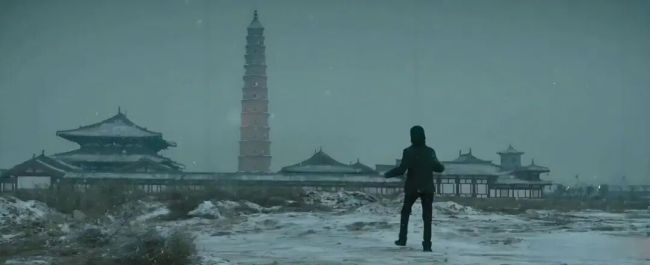
汾阳文峰塔建于明末清初,位于城区以东2公里的建昌村。该塔共十三层,高度位于全国砖结构古塔前列,是我国文峰塔中的杰出代表。清康熙时期《汾阳县志》记载,此塔由明末进士、汾阳人朱之俊倡议集资而建。塔为砖结构,平面八角形,由塔座、塔身、塔刹三部分组成。文峰塔是古代人民为使当地文风、文脉顺达、多出人才,根据风水理论而建造的,兼具观赏性和标帜性,是科举制度的产物,也是儒、释、道三教思想共同作用下的产物。在《山河故人》中,文峰塔静静矗立,见证着人物的离散与归来。
Fenyang Wenfeng Pagoda was built in the late Ming and early Qing dynasties, located in Jianchang Village, 2 kilometres east of the city. The pagoda has thirteen storeys, ranking among the tallest brick pagodas in China, and is an outstanding representative of its kind. According to the Fenyang County Annals from the Kangxi period, it was initiated and funded by Zhu Zhijun, a Fenyang native and Ming dynasty scholar. The brick pagoda has an octagonal plan and consists of base, body, and finial. Wenfeng Pagodas were built according to feng shui theory to ensure the smooth flow of local literary culture and the emergence of talent. They are both ornamental and symbolic, products of the imperial examination system and of the combined influence of Confucianism, Buddhism, and Daoism. In Mountains May Depart, the pagoda stands silently, witnessing the characters' departures and returns.
图源:《山河故人》剧照
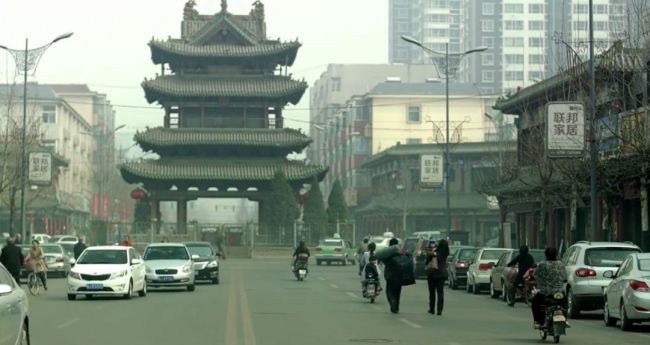
南薰楼位于汾阳市南薰路与迎新街相交的十字路口中央。“南薰”取“薰风南来”之意,薰风又称巽风,指吹自东南方的和煦之风,应兆人心和善,万物茂盛。南薰楼建于明弘治十三年(1500年),万历二十二年(1594年)增修佛阁,清康熙十二年(1673年)重修。1993年落架重修,整体抬高1米,现存为明代遗构。这座楼阁是汾阳老城的地标,也是贾樟柯电影中反复出现的空间符号。
Window of Shanxi
-

Architectural Treasures · The Art of Traditional Chinese Architecture
-

Shanxi Autumn: The Earth's Palette
-
Meet Shanxi on Screen
-

Summer Rest, Cooler Dwelling
-

Cool & Tangy: A Shanxi Summer Menu
Trending News
-
Wutai Umber: A Caramel Fairytale on the Roof of North China
-
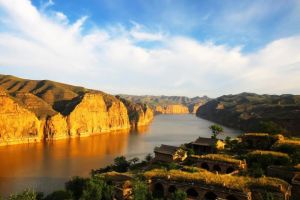
Yellow River Ochre: A Great River's Autumn Variations
-
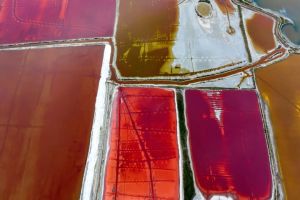
Salt Lake Pink: The Earth's Eyeshadow Palette, Hidden in Shanxi's Rose-Colored Autumn
-
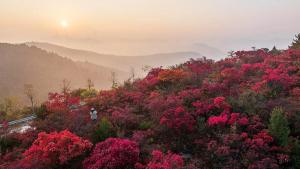
Taihang Red: Driving Through China's Most Dramatic Autumn
-

Yunqiu White: A Winter Fairytale Hidden Inside Autumn