【Relics Become Icons】Western Zhou Jade Deer
1993年,山西省曲沃县北赵村晋侯墓地63号墓的一次考古发掘,让一件沉睡了近三千年的玉器重见天日。这件西周玉鹿,现藏于山西博物院,以其精湛的工艺与深邃的文化意蕴,成为晋国玉器中的翘楚。
An archaeological excavation in 1993 at Tomb No. 63 of the Jin Marquis Cemetery in Beizhao Village, Quwo County, Shanxi Province, brought a jade artifact that had lain dormant for nearly three millennia back into the light. This Western Zhou jade deer, now housed in the Shanxi Museum, stands as a masterpiece among the jade artifacts of the Jin State, distinguished by its exquisite craftsmanship and profound cultural significance.
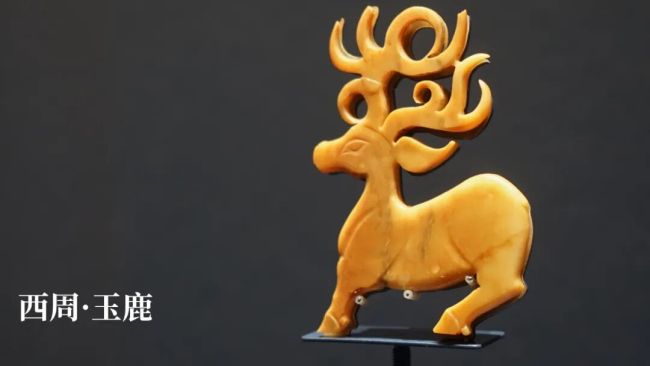
鹿,在中国古代文化中承载着双重隐喻——既是天人感应中的祥瑞之兽,又暗含《诗经》中“呦呦鹿鸣”的爱情意象。出土于晋穆侯次夫人墓中的这件玉鹿,身份尤为特殊。它并非寻常装饰品,而是墓主人社会地位与情感生活的物质载体。一位诸侯的次夫人,能享有如此精美的随葬品,本身便透露出西周贵族女性在特定情境下可能拥有超越常规的财富与地位。
In ancient Chinese culture, the deer carried dual symbolic meanings—it was both an auspicious creature symbolizing harmony between heaven and humanity, and an implicit metaphor for love, as evoked in the Book of Songs. The jade deer discovered in the tomb of a secondary wife of Marquis Mu of Jin holds a particularly special status. Far from being a mere decorative object, it serves as a material carrier of the tomb owner’s social standing and emotional life. The fact that a secondary wife of a marquis could enjoy such a finely crafted burial object already hints at the possibility that noblewomen in the Western Zhou period could, under certain circumstances, possess wealth and status beyond conventional expectations.
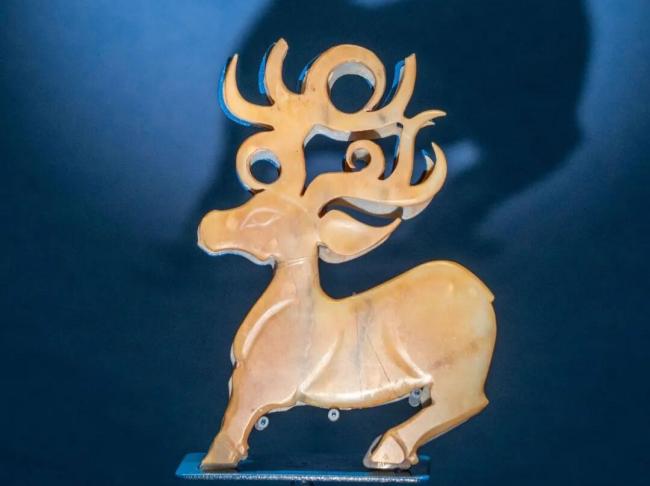
细观这件玉鹿,其材质与工艺皆堪称典范。以黄褐色和田玉为料,通体研磨抛光,表层包浆温润如凝脂。工匠以两道简练的圆弧线勾勒出鹿的体肌,使整件作品呈现出蓄势待发之势,充满蓬勃的生命力。尤为值得玩味的是其双目——采用西周玉器典型的“臣字眼”,相较于商代同类纹饰更显柔和;躯体线条也从商代的僵直变为流畅自然。这一风格嬗变,恰与西周时期“敬天保民”的政治思想相呼应,折射出人文精神觉醒的时代印记。
Examining this jade deer closely, its material quality and craftsmanship are both exemplary. Carved from yellowish-brown Hetian jade, the piece has been polished over its entire surface, developing a warm, lustrous patina. The artisan used two concise, flowing arcs to define the deer’s musculature, imbuing the entire form with a sense of poised energy and vitality. Particularly noteworthy are the deer’s eyes, rendered in the typical “minister(臣)-shaped eyes” of Western Zhou jade carving, which appear softer compared to similar motifs from the Shang dynasty. The body lines have also evolved from the rigid forms of the Shang to a more fluid naturalism. This stylistic transformation echoes the ideological shift of the Western Zhou toward “revering heaven and protecting the people,” reflecting the dawning of a humanistic spirit.
Window of Shanxi
-
Architectural Treasures · The Art of Traditional Chinese Architecture
-
Shanxi Autumn: The Earth's Palette
-
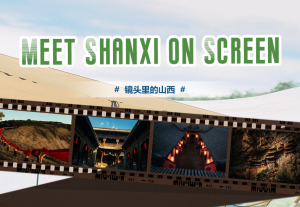
Meet Shanxi on Screen
-

Summer Rest, Cooler Dwelling
-

Cool & Tangy: A Shanxi Summer Menu
Trending News
-

Wutai Umber: A Caramel Fairytale on the Roof of North China
-

Yellow River Ochre: A Great River's Autumn Variations
-
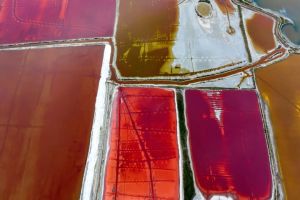
Salt Lake Pink: The Earth's Eyeshadow Palette, Hidden in Shanxi's Rose-Colored Autumn
-

Taihang Red: Driving Through China's Most Dramatic Autumn
-

Yunqiu White: A Winter Fairytale Hidden Inside Autumn